Ottawa runs from plus thirty to minus thirty, and exterior doors move through that range every year. Consequently locks here fail in ways they simply do not in milder climates.
Doors move, locks get blamed
Frames swell and shrink with humidity and temperature. Consequently a deadbolt that engaged easily in September binds in February. Therefore people force it, and eventually something gives. However, the honest fix is usually adjusting the strike rather than replacing hardware.
Brass turns brittle
Below freezing, brass loses ductility. Consequently the same force that worked in autumn shears a key in January. Furthermore, a key already worn thin is the first to go. Therefore Ottawa locksmiths see a clear spike in broken keys from December through March.
Moisture freezes inside cylinders
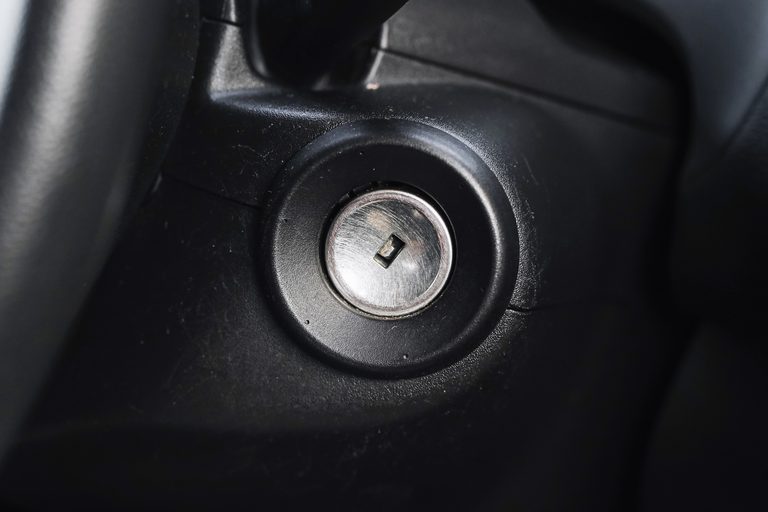
Water gets into a keyway, then freezes solid. Consequently the key will not enter or will not turn. However, forcing it snaps the blade. Therefore warm the lock rather than fighting it, and use a dry lubricant afterwards rather than oil, which holds moisture.
An autumn check prevents most of it
Throw every deadbolt with the door closed. Consequently you find binding before the cold arrives. Additionally, clean and lubricate cylinders with graphite or PTFE, and replace any key that already needs a specific angle. Above all, five minutes in October prevents a callout in January.
Questions we get about this
Why does my lock only stick in winter?
Frame movement. Consequently adjusting the strike usually fixes it.
Can I pour hot water on a frozen lock?
No. It refreezes and makes things worse.
What lubricant should I use?
Dry graphite or PTFE. Never oil, because it holds moisture and dirt.
When should I do a check?
Each autumn, before the cold arrives.