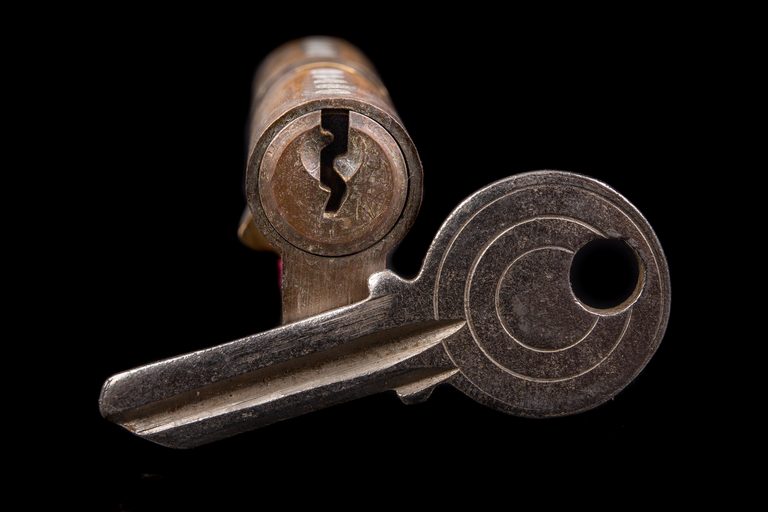
A worn key does not just fail. It wears the lock while it works, which is why replacing one early costs less than replacing both later.
How to tell yours is worn
Compare it against the least-used key on your ring, ideally one that has stayed in a drawer. Consequently the difference in the peaks and valleys is usually visible. Furthermore, if your key needs a specific angle or a wiggle, it has already worn past the point where copying it helps.
Why it damages the lock
A worn key does not lift the pins to their correct heights. Consequently the pins take load at the wrong angles and wear unevenly. Therefore the lock gradually accepts only that specific worn key, which is why a fresh copy sometimes stops working. Moreover by then both need attention.
Copy or cut to code
A copy inherits the wear of the key it was cut from. By contrast, cutting to code from the lock produces a key matching the original specification. Consequently the second option is better whenever the original is tired, and a locksmith can decode the cylinder directly.
How many to keep
Two per household member plus one with a neighbour covers almost every situation. Additionally, keep a fresh master in a drawer that never goes on a ring, because that becomes your reference key. Consequently future copies get cut from something unworn.
Questions we get about this
How long does a house key last?
Years, though daily use wears it faster than people expect.
Why did my new copy not work?
It was probably cut from a worn key. Consequently we cut to the lock instead.
Does a worn key damage the lock?
Yes, gradually. Therefore replacing it early saves the cylinder.
Should I keep a reference key?
Yes. Keep one unused so future copies start from a good original.