Considering high-security locks in Ottawa? Urban Locksmith explains pick resistance, key control, and smart placement, with an honest on-site quote.
Urban Locksmith installs high-security locks for Ottawa homeowners who want more than the basic hardware that came with the house. high-security locks resist picking, drilling, and bumping, and they use keys that cannot be copied without permission. That combination closes gaps ordinary deadbolts leave open. This guide covers what these locks actually do, when they are worth it, and how a mobile locksmith fits them to your existing doors. You will find a clear comparison, practical tips, and answers to common questions, with no pressure and no pricing games.
What "High Security" Really Means
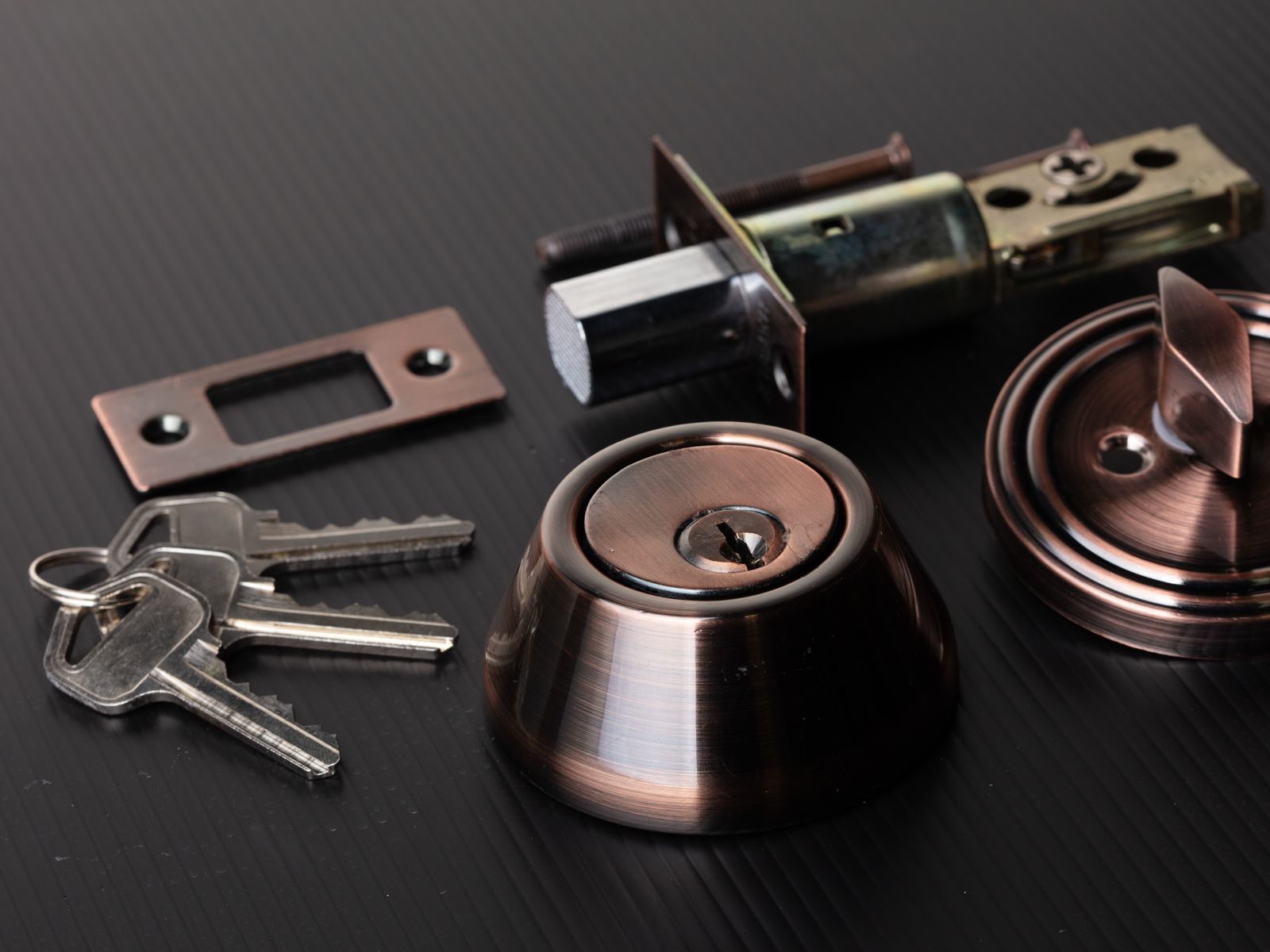
The phrase gets used loosely, so it helps to define it. Genuine high-security locks pair a hardened cylinder with a controlled key system. The cylinder resists common attacks. The key cannot be duplicated at a kiosk.
Ordinary locks fail on both counts. A standard pin tumbler cylinder can often be picked or bumped in seconds by someone who has practised the technique a few times. And anyone holding your key can copy it. For a quiet, no-damage entry, that is a real weakness. The primer on lock bumping shows how fast that attack can be on basic hardware.
The Two Pillars
• Physical resistance: hardened pins, anti-drill plates, and tight tolerances
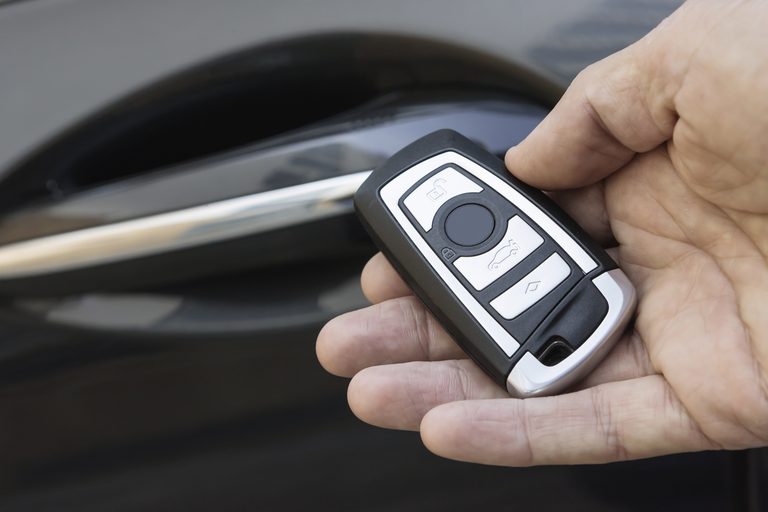
• Key control: restricted keyways that block unauthorized copies
Both matter. A tough cylinder means little if the key floats around freely. Likewise, a controlled key protects nothing if the cylinder gives way to a simple pick. The strength of the system is set by its weaker half, so we treat the two as one purchase rather than two.
When High-Security Locks Are Worth It
You do not need them on every door. Smart placement gives most of the benefit for a fraction of the effort. Focus on the entries an intruder would actually target.
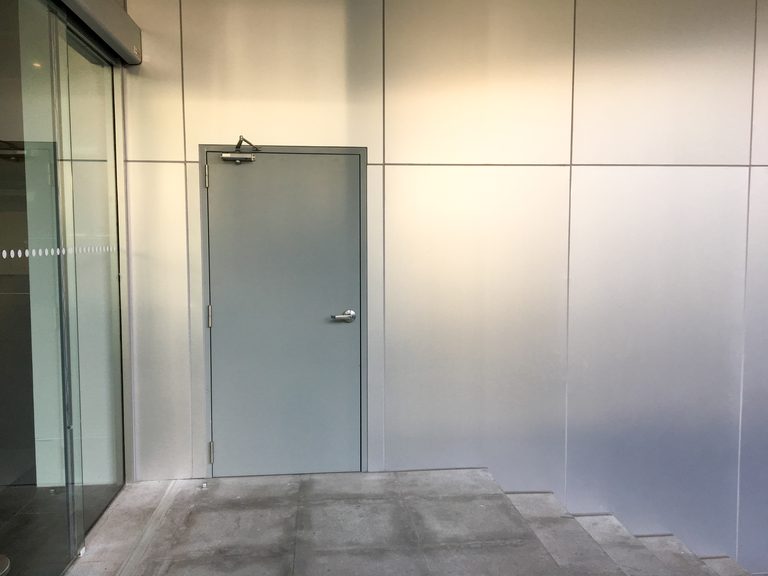
Front and back exterior doors come first. A detached garage door and a basement walkout follow. Interior doors rarely justify the upgrade unless you store something valuable behind them.
Think about how an intruder actually chooses a target. Most avoid noise and effort, so they look for the easy, quiet way in. A door that resists picking and copying pushes them to try something louder, which raises their risk and often ends the attempt. That deterrent effect is a large part of the value.
Key control alone is often the deciding factor. If you have handed keys to contractors, tenants, or a previous owner cut copies, restricted keyway options let you take that control back without changing the whole door.
Comparing Your Upgrade Options
Different doors call for different answers. The table below sums up common choices we install.
OptionStrengthBest placement
Standard deadboltBasicInterior or low-risk doors
High-security cylinderStrong pick and drill resistanceMain entries
Restricted keywayControlled copyingHomes with shared keys
Reinforced strike plateResists forced kicksAny exterior door
Pairing a strong cylinder with a solid strike plate matters. A great lock in a weak frame still gives way to a hard kick. Good deadbolt installation addresses both the lock and the door edge.
Layered Security Beyond the Cylinder
A strong lock is one layer, not the whole wall. The most secure homes combine several small measures that each raise the effort an intruder must spend. The lock buys time; the rest buys attention and deterrence.
Start with the door itself. A solid-core slab resists kicks far better than a hollow one. Long screws in the hinges and strike anchor the hardware into the framing, not just the trim. Good exterior lighting and clear sightlines remove the cover an intruder relies on.
None of this replaces a quality cylinder. It supports one. When we assess a home, we look at the whole entry, then recommend where an upgraded lock will do the most good.
Simple Steps Before We Arrive
• Note which doors feel loose or sag in the frame
• Count the keys currently in circulation
• List anyone who may still hold a copy
• Check whether the door itself is solid or hollow
How the Installation Works
A careful fit is what makes high-security locks perform. We start at the door itself. The frame, the gap, and the strike alignment all affect how well the new cylinder seats.
Then we confirm the bore size and backset match the hardware. Most quality locks retrofit into standard doors, so a full door swap is rarely needed. We set the cylinder, adjust the strike, and test the throw until the bolt runs smoothly.
Finally, we issue your controlled keys and log them. You leave knowing exactly how many keys exist and who holds each one. That record is part of what makes controlled keying worthwhile over time.
Getting the Most From High-Security Locks
Even the best hardware benefits from upkeep. A little care keeps the mechanism smooth and the protection intact for years. Estimates from the trade suggest well-maintained cylinders last far longer than neglected ones, sometimes by a wide margin.
Keep the keyway clean and free of grit. Avoid oily lubricants that trap dust; a dry graphite or PTFE product is gentler. If a key ever starts to stick, book service early rather than forcing it. A stiff key is often the first quiet warning that debris or wear is building inside. For a fuller home-security review, our residential locksmith services can assess every entry at once.
Key control needs a habit too. Keep a simple record of who holds each key, and update it whenever one changes hands. When a key is no longer needed, retire it rather than leaving it in a drawer. That discipline is what turns strong hardware into lasting peace of mind.
Good habits protect the investment and keep your doors working quietly. They also help you catch a small fault before it becomes a lockout on a cold night.
Frequently Asked Questions
What makes a lock high security?
It combines pick and drill resistance with keys that cannot be copied at a hardware store, giving stronger control over who holds access.
Are they worth it for a normal home?
For most homes, one or two on the main entries add real protection where it matters most, rather than upgrading every interior door.
Can you copy the keys later?
Only through authorized channels. Restricted keyways stop casual duplication, so you decide when a new key is cut.
Do high-security locks stop lock bumping?
Good ones are designed to resist bumping and picking, which are quick, quiet attacks on ordinary cylinders.
Can you install them on my existing door?
Usually yes. Most retrofit into standard doors, though we confirm the door and frame condition on site first.
Book a Home Security Upgrade
If you want dependable high-security locks on your main doors, Urban Locksmith serves Ottawa and the surrounding communities seven days a week. Call 613-801-8531 to talk through your doors and get an honest recommendation. We are a mobile, 24/7 locksmith based in Ottawa, Ontario, covering Kanata, Orléans, Barrhaven, Nepean, and nearby areas.