Locks rarely fail without warning, so a sudden failure usually means you missed the warnings. However, there are four genuine causes of overnight failure, and three are cheap to fix.
The frame moved, not the lock
Ottawa freeze-thaw cycles shift exterior doors considerably. Consequently a bolt that engaged easily in October binds in January. Therefore test the deadbolt with the door open. If it throws freely open and fights you closed, the strike needs adjusting rather than the lock replacing.
The spindle or cam failed
If the key turns smoothly but nothing happens, the connection between cylinder and latch has broken. Consequently the key is fine and the mechanism is not. Furthermore, this genuinely does happen overnight, because the part is under load every time you use it.
Dirt finally won
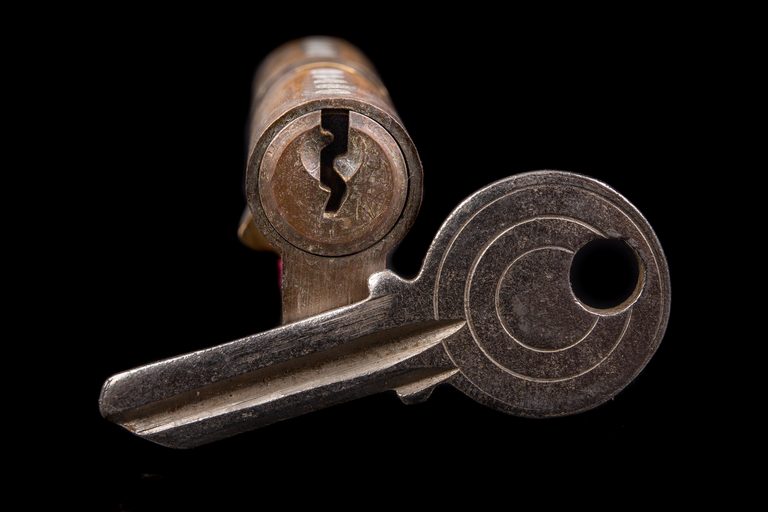
Cylinders collect grit and dried lubricant for years. Eventually the pins stop lifting cleanly and the key stops turning. Moreover anyone who has sprayed oil into the lock accelerated this, because oil attracts dust. Therefore cleaning and rekeying restores many locks reported as dead.
Someone tried to force it
A picked or forced cylinder frequently binds afterwards even when the attempt failed. Consequently a lock that stopped working overnight is worth inspecting for tool marks around the keyway. Additionally, if you find any, rekey rather than simply repair.
Questions we get about this
My key turns but nothing happens.
A failed spindle or cam. Consequently the key is fine and the mechanism is not.
Should I spray oil in it?
No. Oil attracts dirt. Therefore use dry graphite or PTFE.
Can it be repaired?
Often yes. Cleaning and rekeying saves many locks.
Why does it only stick in winter?
Frame movement. Adjusting the strike usually fixes it.