Need lock repair in Ottawa? Urban Locksmith fixes sticky, jammed, and misaligned locks 24/7, with honest advice on when to repair, rekey, or replace.
Urban Locksmith handles lock repair across Ottawa when a lock starts sticking, dragging, or refusing to turn the way it should. A timely lock repair is often cheaper and faster than a full replacement, and it restores security before a minor fault becomes a lockout. This guide walks through why locks fail, which problems are fixable, and what to expect from a service visit. You will find a troubleshooting table, clear maintenance tips, and straight answers, with honest ranges instead of prices and no upselling anywhere on the page.
Why Locks Start to Fail
Locks are mechanical, and every mechanical part wears. Daily use grinds tiny amounts of metal from pins and cams. Grit works into the keyway. Doors shift with the seasons. Over time these small changes add up to a lock that fights you.
Most problems build slowly. A key that once turned freely begins to need a wiggle. Then a lift. Then a hard shove on the door. Catching it early keeps a simple fix from turning into an emergency.
There is a pattern to how a lock declines. It works, then it hesitates, then it demands force, then it quits. Each stage is a chance to act cheaply. Wait until the last one, and a routine tune-up can become an after-hours rescue instead. Reading the early signs saves both money and stress.
Common Culprits
• Dirt and grit inside the cylinder
• Worn pins or a tired spring
• A misaligned strike plate
• A door that sags or swells in humidity
• A bent or heavily worn key wearing the pins faster
Repair or Replace? How to Tell
Not every fault needs new hardware. A careful diagnosis starts by finding the real cause, because the symptom and the source are often different things.
If the cylinder is sound but the bolt drags, the answer may be the strike or the door edge, not the lock. That is a repair. If internal parts are worn past tolerance, or the lock is very old, replacement is the honest call. In that case we can replace the hardware entirely with a matching or upgraded unit.
Sometimes the smartest move is neither a fix nor a swap. If the lock works but you have lost control of the keys, we can simply rekey the lock so old keys stop working.
Troubleshooting Common Symptoms
Use the table below to understand what your lock is telling you. It also helps you describe the problem clearly when you call.
SymptomLikely causeTypical fix
Key sticks or grindsDirt or worn pinsClean, lubricate, or repair cylinder
Key turns, door won't openStrike or latch misalignmentAdjust strike or door edge
Bolt won't fully extendSagging door or swellingRealign hinges and strike
Loose, wobbly lockBacked-out screwsTighten or reset the lockset
Key snapped insideWeak or bent keyExtract, then repair or rekey
For background on how the internal mechanism works, the overview of the modern lock) explains the moving parts a repair addresses.
What Happens During a Lock Repair Visit
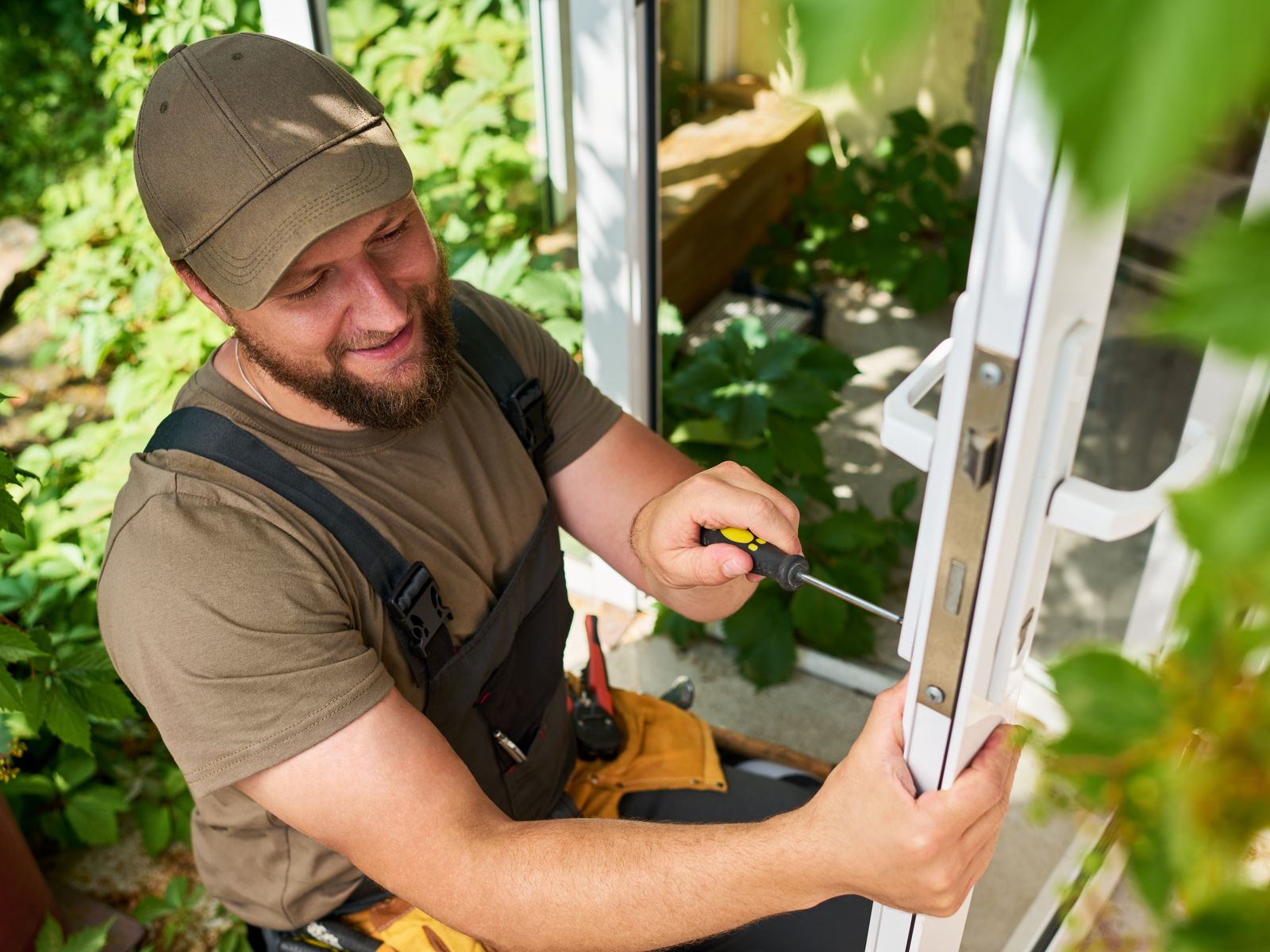
A dependable lock repair follows a clear process. We look at the door and lock together, since one affects the other. Then we test the key, the bolt, and the strike to isolate the fault.
You get a plain explanation and an honest quote before any work. Most repairs finish in a single visit. We clean the cylinder, replace worn internals where needed, and realign the strike so the bolt seats cleanly.
Before we leave, we cycle the lock several times and hand you a smooth-turning door. If a problem is likely to return, we tell you why and what to watch for over the coming months.
When Lock Repair Cannot Wait
• The bolt no longer locks fully
• The key barely turns and may snap
• The door won't latch after a forced entry
• A lock froze and stuck in cold weather
If any of these hit outside normal hours, urgent lock repair is available around the clock.
Locks and Ottawa's Seasons
Local weather is hard on hardware. Winter cold stiffens grease and shrinks metal, so a lock that was merely sticky in summer can seize in January. Spring thaw brings moisture that works into the keyway and speeds corrosion. Each season tests a different weakness.
A worn lock shows these strains first. That is why a fall check-up makes sense before the deep cold arrives. We clean out old grease, apply a cold-tolerant lubricant, and confirm the door still closes flush once the frame settles.
Never pour hot water on a frozen lock. It thaws for a moment, then refreezes and can crack the cylinder or trap more moisture inside. A dedicated de-icer or a warmed key is far safer. If a lock keeps freezing, that is a sign moisture is getting in and the seal or drainage needs attention.
Small seasonal care prevents the frozen-lock calls we see every winter. It also keeps your keys turning smoothly when you least want a surprise.
Keeping Locks Healthy
Simple upkeep prevents most service calls. Trade estimates suggest a large share of failures trace back to grit and misalignment rather than a defective mechanism. That means small habits go a long way.
Wipe keys clean and avoid forcing a stiff lock. Use a dry lubricant once or twice a year rather than oil, which attracts dust. Keep hinges tight so the door sits square. If a key starts to catch, book service before it fails completely.
A little attention keeps your locks quiet, smooth, and secure for years. Think of it the way you treat any moving part in the home: a small, regular effort avoids the big, sudden failure. Your front door works harder than almost anything else in the house, and it deserves that same steady care.
Frequently Asked Questions
Can a sticky lock be fixed, or does it need replacing?
Many sticky locks just need cleaning, lubrication, or a strike adjustment. We repair where we can and recommend replacement only when the mechanism is truly worn.
Why does my key turn but the door still will not open?
That usually points to a latch, strike, or alignment problem rather than the cylinder. Adjusting the strike or door edge often solves it.
Is a stiff lock a security risk?
It can be. A dragging bolt may not fully engage, leaving the door less secure than it looks, so early attention is wise.
How long does a typical repair take?
Most single-door repairs finish within one visit once we see the actual hardware and door condition.
Do you repair locks after a break-in?
Yes. We assess the damage, keep what is safe, and replace anything compromised so the door secures properly again.
Get a Lock Repaired Today
If a door is fighting you, Urban Locksmith provides lock repair across Ottawa and nearby communities every day of the week. Call 613-801-8531 to describe the symptom and get an honest arrival window. We are a mobile, 24/7 locksmith based in Ottawa, Ontario, serving Barrhaven, Kanata, Orléans, Nepean, and the surrounding area.